New radio network aims to keep Southeast Missouri connected during storms
FOX23 News at 9 p.m
BUTLER COUNTY, Mo. (KBSI) — Emergency managers and volunteers across Southeast Missouri are developing a new two-way radio network designed to keep communication running during severe weather and disasters, even when cell service or internet goes down.
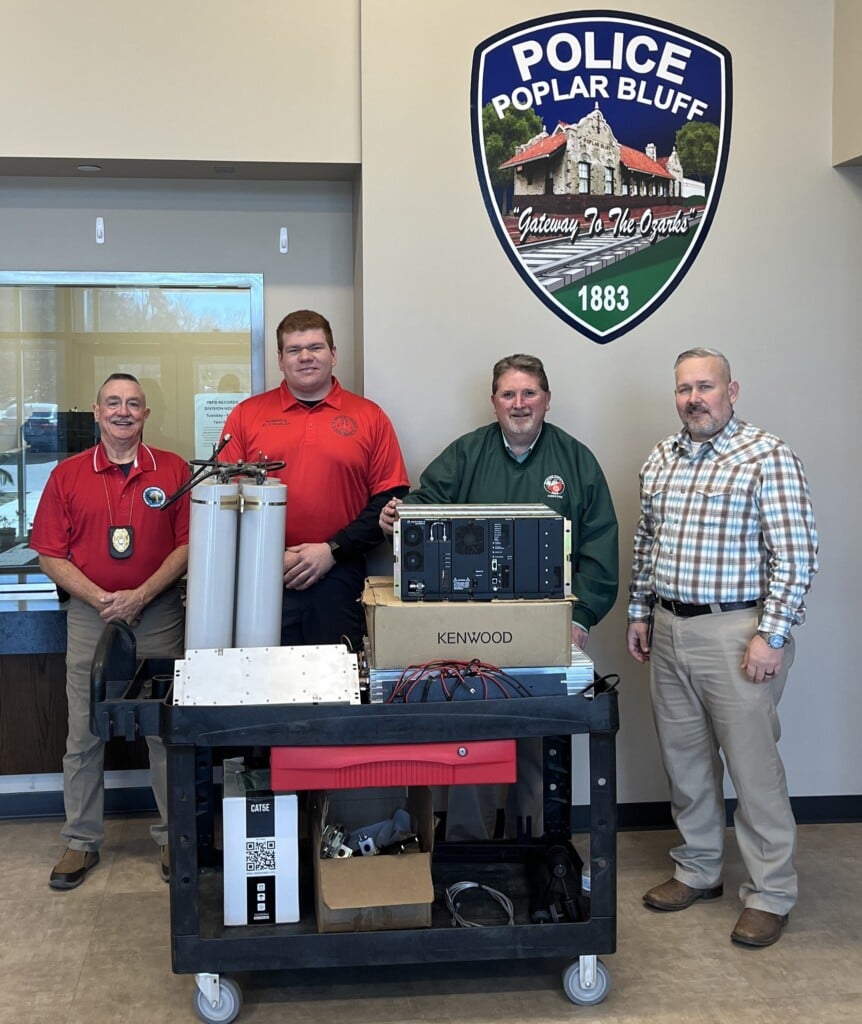
The project, called the SEMO Safety Network Upgrade, is a collaboration between Butler County Emergency Management, the Poplar Bluff Severe Weather Response Team and the Southeast Missouri Amateur Radio Association. The system aims to connect storm spotters, amateur radio operators and emergency responders across 13 counties in the Southeast Missouri region.
Officials say the network uses two-way radio technology, which allows communication without relying on internet infrastructure that can fail during major storms.
“The reason they’re so important is because we live very heavily on the internet, and the internet is very vulnerable to damage and outages,” said Dylan Crowley, president of the Southeast Missouri Amateur Radio Association. “This system does not rely on the internet. It relies on an older system that’s been around for a long time using two-way communication.”
Emergency managers say severe storms can quickly knock out cell towers and internet service, making it difficult for responders to communicate with crews in the field.
Robbie Myers, director of Butler County Emergency Management, said the system adds a layer of redundancy during disasters when traditional communication systems may fail.
“We’re making sure we have some good redundancy in case cell towers are down or if internet’s out, because so many of the communication devices right now are based over the internet,” Myers said.
Officials say the system will allow storm spotters and volunteers to relay real-time information to emergency management and first responders during severe weather events.
Myers said maintaining communication during disasters is critical for directing resources and understanding the damage after a storm moves through.
“If all you had was cell coverage, everybody’s out in the dark,” Myers said. “You’re not able to dispatch people to where they need to go.”
Emergency managers expect the network to expand over the next several months, with the goal of connecting communities across Southeast Missouri by 2027.